
Federal Reserve Chairman Kevin Warsh is pressing ahead with a promised overhaul of the central bank's operating culture, but the early phase of his tenure shows both momentum and limits. In 127 days on the job, Warsh has moved quickly on the parts of the institution he can control directly, especially the way the Fed speaks to markets and the public. Yet the larger transformation he has signaled — a regime change in how policy is judged and executed — is running into the realities of persistent inflation, a still-sensitive economy and skepticism from within the central banking world.
Some of Warsh's changes have been highly visible, even if they appear superficial at first glance. He has shortened the post-meeting news conference that follows the Federal Open Market Committee's rate-setting sessions and changed the seating arrangement for reporters so it is alphabetical by news organization. But those cosmetic adjustments mask a more consequential shift in style and substance. Warsh's own framing of monetary policy, and the language he uses to describe it, marks a sharp departure from his predecessors and suggests a central bank that may be moving away from the familiar vocabulary of "accommodative," "neutral" and "restrictive" policy.
The new chairman has also been careful not to overreach. One of his stated priorities, reducing the Fed's balance sheet, has not yet been possible in part because inflation remains the more urgent concern. He has also slowed himself by creating five task forces to review Fed practices, with reports due early next year. That decision gives him cover to argue that the institution is being studied and modernized, but it also delays any sweeping action and gives internal critics time to organize.
Last week's unanimous quarter-point rate increase was the clearest early sign of Warsh's direction. It was the first increase since 2023 and, for now, may stand as the defining policy move of his opening months. It also answered critics who had questioned whether he could maintain independence from President Donald Trump. Based on his public remarks, Warsh appears prepared to support additional hikes if inflation does not ease meaningfully.
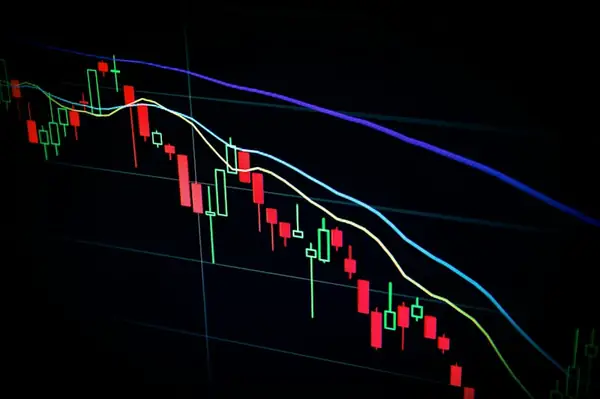
Markets are already signaling that they expect more tightening. The 2-year Treasury yield traded nearly a full percentage point above the effective federal funds rate on Wednesday, a spread that suggests traders see further rate increases ahead. It is the largest gap between the 2-year yield and the funds rate since 2023. That market message is reinforced by the inflation backdrop: the Fed's preferred personal consumption expenditures measure rose 3.7% in July, and inflation has remained above the central bank's 2% target for more than 5½ years.
Warsh's approach has also unsettled some economists and central bankers because he has rejected the traditional framework used to judge policy stance. At his Sept. 16 news conference, when asked where the Fed stood relative to neutral, he dismissed the premise. He said the concept is "useful academically" but had no bearing on the decision to hike. That answer drew criticism from observers who have long relied on the neutral-rate framework to interpret Fed decisions.
"What is odd is that Warsh framed the decision as 'removing a dose of accommodation' and then distanced himself from the concept that defines accommodation," economist Claudia Sahm wrote. "But now that the Fed has hiked, how will he judge whether to hike again, and when to stop?"
That question goes to the heart of the emerging debate over Warsh's leadership. His critics argued after his vague July performance that he lacked credibility because he had not articulated a consistent theory for setting rates. Yet his recent speeches and news conferences suggest that a new policy regime is taking shape, one that relies on a broader set of indicators than the traditional neutral-rate lens.
Warsh has repeatedly emphasized "financial conditions" as central to his thinking. He used the phrase three times in his Jackson Hole, Wyoming, speech and three more times at his latest news conference, saying his review of market conditions showed they were not restrictive. That emphasis suggests a chairman who is watching credit, asset prices and market behavior as closely as inflation data, and who may be trying to build a more market-sensitive framework for policy.
Still, the path ahead is uncertain. Warsh has moved quickly to redefine how the Fed presents itself, but the harder task is proving that his new regime can guide policy consistently. For now, the chairman who likes to count his tenure in days has made clear that he intends to move fast. Whether he can move the institution with him is a different question entirely.